Foraging and Farm Stands: Finding Local Food Near Ebensburg
 H. Olmsted
There's a particular kind of satisfaction in eating something you found, picked, or bought directly from the person who grew it. Around Ebensburg, that satisfaction is easy to come by. Cambria County sits in a high Allegheny fold where the growing season runs short but intense, and the countryside rewards anyone willing to pay attention.
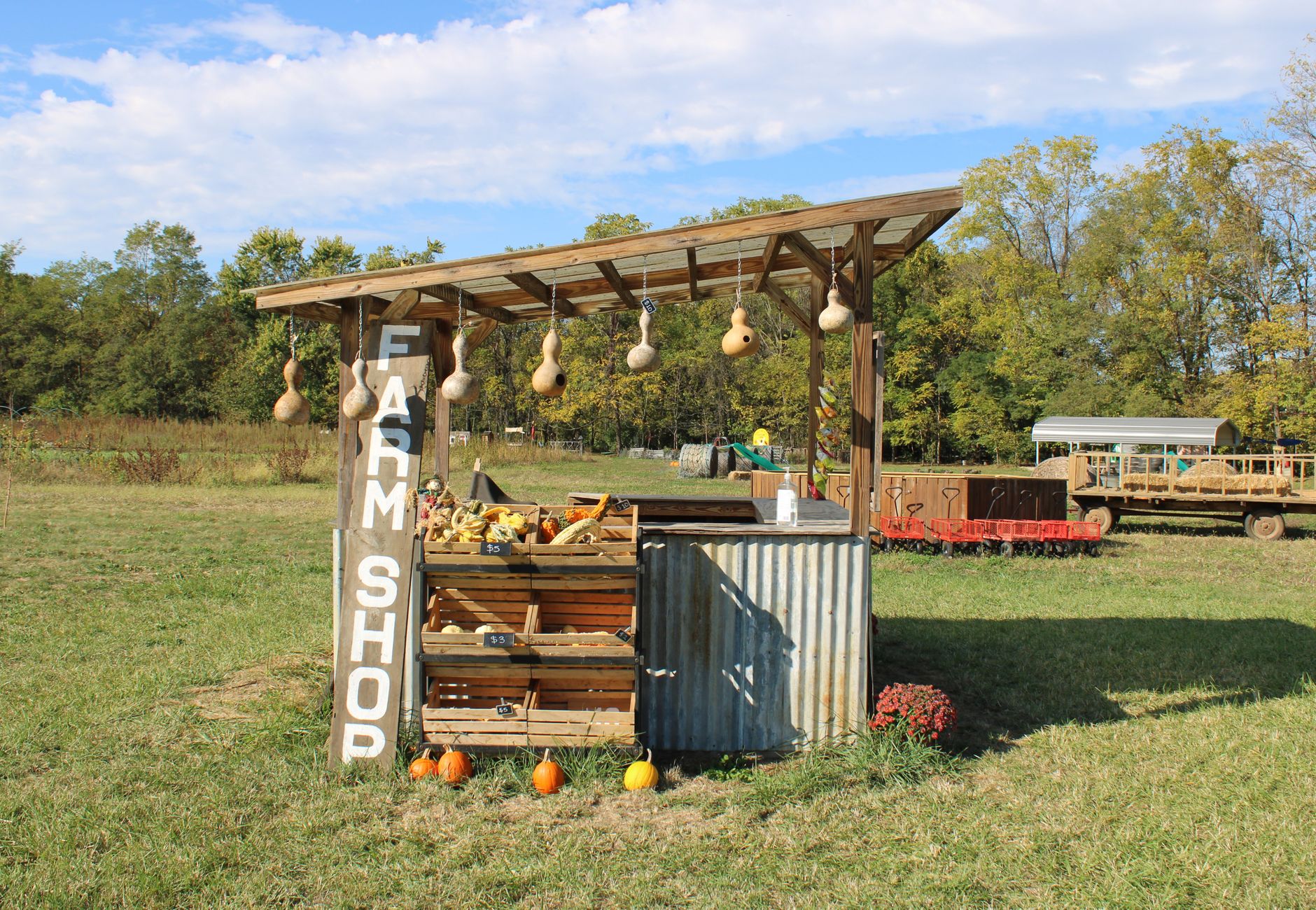 Photo by Keith Cassill on Pexels.
Start with what's wild.
The ridges and hollows around Ebensburg have been feeding people for a long time. Ramps (wild leeks) push through the leaf litter in April before most trees even think about budding. They smell sharp and garlicky, and locals who know their spots guard those locations the way fishermen guard a good pool. If you're new to foraging, ramps are a reasonable starting point: they're distinctive, hard to misidentify when you know what to look for, and abundant in the moist, deciduous slopes common throughout this region.
By May and June, morel mushrooms appear along old woodland edges and near dying elm trees. Morels are among the few wild mushrooms that beginners can learn to identify safely, though the rule still applies: never eat anything you're not completely certain about. Carrying a regional field guide specific to Pennsylvania is worth the small investment. Penn State Extension publishes foraging resources keyed to this part of the state, which gives you a reliable starting point.
Summer brings its own rewards. Black raspberries ripen along roadsides and trail edges in July. Elderberries follow in August, heavy on their arching stems in low wet areas near stream banks. You'll find them along many of the county's back roads if you slow down and look. Autumn rounds things out with hen of the woods mushrooms at the base of old oaks, pawpaw fruit in sheltered creek bottoms (Pennsylvania's largest native fruit, and genuinely delicious), and a long season for wild walnuts.
Foraging carries responsibility. Take only what you'll use. Leave enough behind to sustain the patch. And always confirm you're not on posted private land before you step off the road.
Farm stands offer a different kind of discovery, and one that requires less botanical homework.
Cambria County has a working agricultural character that's easy to miss if you stay on Route 22 and never turn off. Drive the smaller roads connecting Ebensburg to surrounding townships and you'll find vegetable stands, egg signs posted at the end of driveways, and the occasional honor-system box with a coffee can for cash. Sweet corn, tomatoes, green beans, and potatoes are the backbone of what gets grown here. Nothing elaborate. All of it honest.
Farmers markets give the region a more organized version of that same culture. The Cambria County area has hosted seasonal markets where growers bring produce, baked goods, and sometimes locally raised meat. Hours and locations shift year to year, so checking with the Cambria County Visitors Bureau before your trip will give you current details. Planning a Saturday morning around a market visit sets a good pace for the whole day.
For those who want to go deeper, consider reaching out to local farms about pick-your-own opportunities. Strawberries and blueberries are the most common crops offered that way in this part of Pennsylvania. Picking your own is slower than buying a flat, and that's precisely the point.
One thing worth knowing about eating locally in this region: the Allegheny Plateau climate produces food with real flavor because the season is compressed. Cool nights concentrate sugars in fruit. The soil in many parts of Cambria County is well-drained and mineral-rich. A tomato grown here in August tastes like it has somewhere to be.
None of this requires fancy gear or a detailed itinerary. Pack a small basket or canvas bag. Bring a field guide if you're planning to forage. Set out on a back road with no particular deadline. The county will meet you halfway.
Ebensburg itself sits at the center of all of it: high enough to feel the seasons sharply, surrounded by enough working land and second-growth forest that the pantry, so to speak, never runs completely bare. Whether you come home with a bag of ramps, a flat of tomatoes from a roadside stand, or just a clearer sense of how this place feeds itself, you'll have spent your time well.
Get Visit Ebensburg in your inbox
New posts delivered directly. No spam.
No spam. Unsubscribe anytime.