Mushroom Hunting in the Allegheny Highlands: A Forager's Introduction to the Woods Near Ebensburg
 H. Olmsted
Mushroom Hunting in the Allegheny Highlands: A Forager's Introduction to the Woods Near Ebensburg
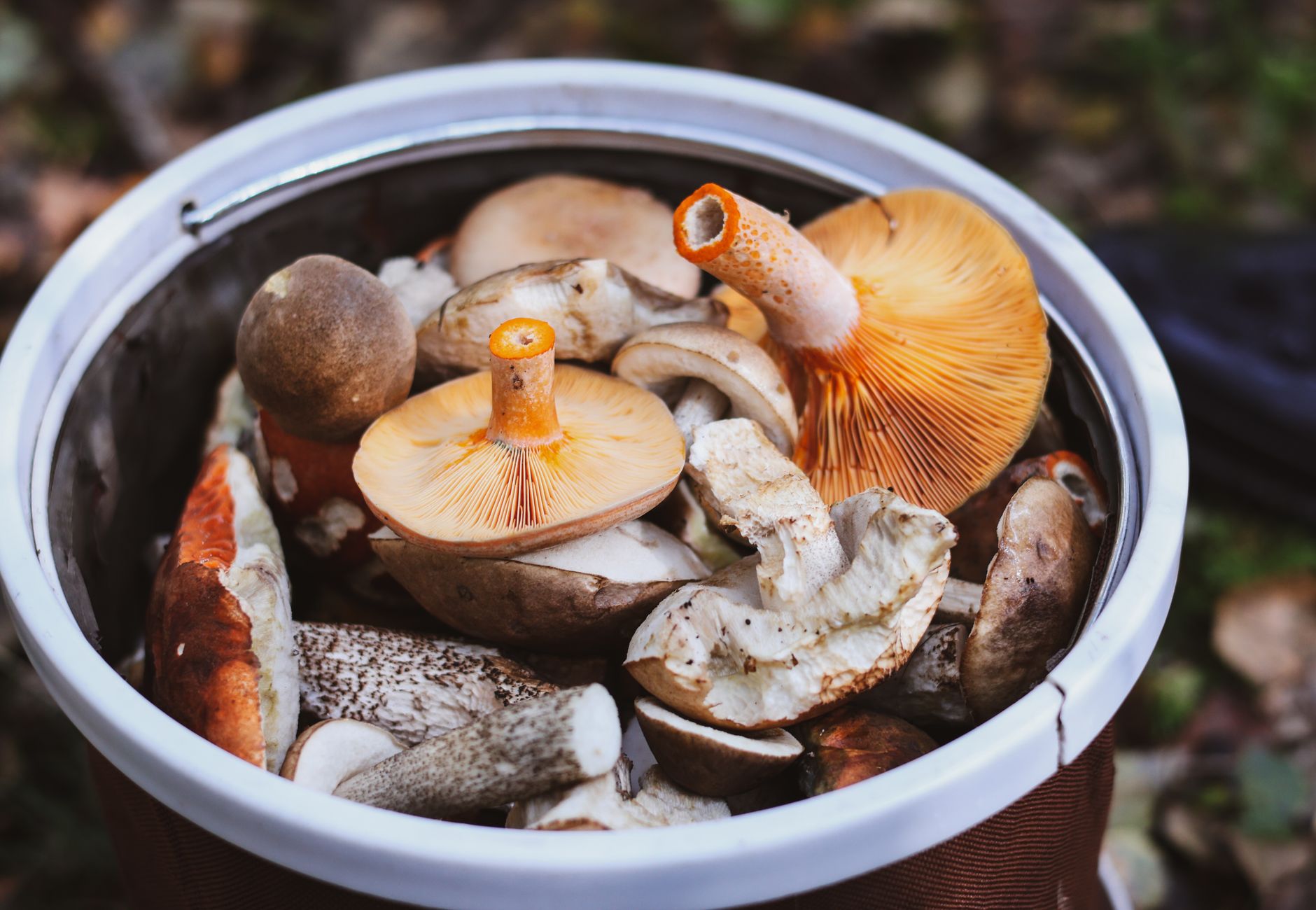 Photo by Lora Rikky on Pexels.
Somewhere between late summer and the first cool breath of October, the forests around Ebensburg become a very different kind of treasure hunt. No maps required. No fees or reservations. Just a basket, a good knife, and a willingness to slow down and actually look at what's growing on the forest floor.
Mushroom foraging has been part of Appalachian tradition for generations. In Cambria County, where mixed hardwood forests and hemlock hollows cover the ridges of the Allegheny Highlands, the conditions are genuinely excellent. You get elevation, moisture, shade, and a stunning diversity of tree species: all the things that make wild fungi thrive.
When to Go
Timing matters more than anything else here. The two best windows for beginner foragers in this region are late spring (mid-May through June, when morels appear briefly and unpredictably) and late summer into fall (August through October, when chanterelles, chicken of the woods, hen of the woods, and giant puffballs tend to show up in force).
After a rain is always better than before one. Give it a day or two after a good soaking, then head out while things are still fresh. Mushrooms that have been sitting in wet conditions for too long get spongy, buggy, and less useful. Timing your hunt for the day after light rain is a skill in itself.
Where to Look Near Ebensburg
Public land is your best friend as a forager. Prince Gallitzin State Park, located about 25 minutes northwest of Ebensburg, offers substantial acreage of mixed forest with creek bottoms and shaded slopes that are worth exploring. Mushrooms often concentrate near water, on decaying logs, and at the base of old oaks.
Blue Knob State Park, about 30 minutes to the east, sits at higher elevation and offers denser conifer zones mixed with hardwoods. That variety tends to produce a wider range of species across the season.
You can also find productive habitat along sections of the Ghost Town Trail, particularly in the wooded stretches between Nanty Glo and Blacklick Creek. The trail passes through recovering forest with plenty of old snags and fallen timber: prime real estate for shelf fungi like chicken of the woods.
Always confirm current foraging regulations with each park before you collect. Pennsylvania state parks generally permit personal-use foraging in small quantities, but it pays to check.
Beginner-Friendly Species
Start with fungi that have few dangerous lookalikes. That's the single most important piece of advice any experienced forager will give you.
Chicken of the woods (Laetiporus sulphureus) is bright orange and yellow, grows in overlapping shelves on tree trunks, and has no serious lookalikes that are hazardous. Giant puffballs are distinctive when fully white inside (slice them to check; anything other than pure white gets left behind). Hen of the woods (Grifola frondosa) typically appears at the base of oaks in fall and is one of the most prized edibles in the region.
Morels are the great spring prize, but they require patience and experience to locate. Save them for your second or third season.
Gear and Safety
Keep it simple. A mesh bag or open basket (never plastic bags, which accelerate decomposition) lets spores drop as you walk. A small brush or folding knife helps with clean harvesting. Good waterproof boots matter more than most people expect; you will be in wet leaves and soft ground.
Never eat anything you cannot positively identify. Consult multiple field guides, not just a single app. The Audubon Society Field Guide to North American Mushrooms is a reliable print reference. Local mycological societies in Pennsylvania sometimes organize guided forays, and learning alongside someone with experience is worth more than any book.
The Slower Point of It All
Foraging forces you to walk slowly. Your eyes drop to the ground. You start noticing the way light filters through a canopy, the smell of leaf duff, the sound the forest makes when you stop moving. For visitors coming from busier places, that shift in pace is one of the best things Ebensburg's surrounding hills have to offer.
You may come home with a full basket. You may come home with one beautiful hen of the woods and a lot of fresh air. Either way, the woods around Cambria County have a way of making both outcomes feel equally worthwhile.
Get Visit Ebensburg in your inbox
New posts delivered directly. No spam.
No spam. Unsubscribe anytime.