Wildflowers and Woodland Walks: A Spring and Summer Wildflower Guide Near Ebensburg
 H. Olmsted
Spend enough time walking the woods around Ebensburg in late April, and you start to feel like the forest is keeping a secret. Then the trout lilies appear. Then the trillium. Then whole hillsides erupt in color, quietly, almost overnight, and the secret is out.
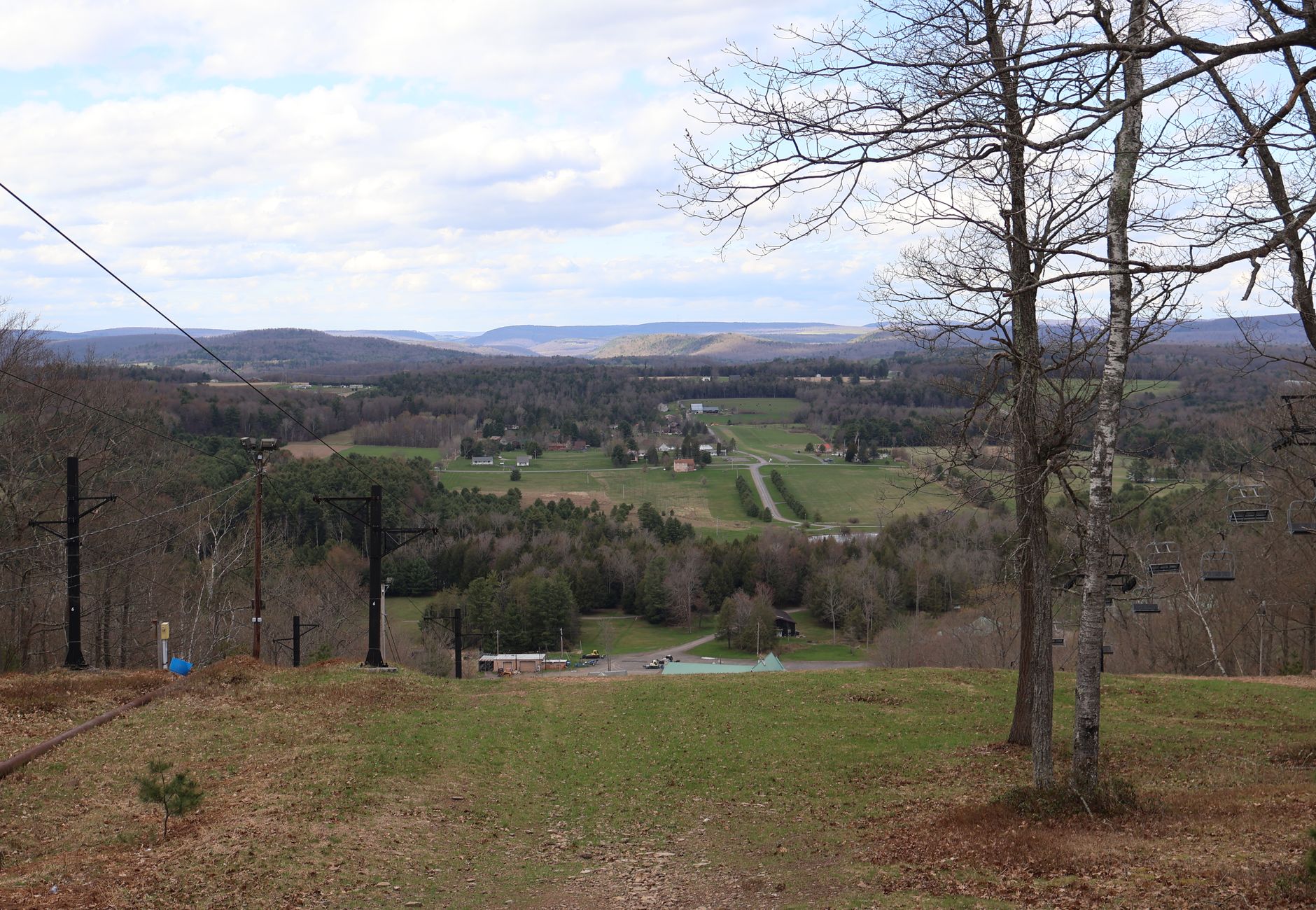 Photo by Raziella R on Pexels.
Cambria County sits in a sweet spot for wildflower watching. The Allegheny highlands bring cooler temperatures and later bloom times than the lowlands to the east, which means the spring wildflower window here stretches well into May. Summer adds its own cast of characters: cardinal flower, Joe Pye weed, bergamot, and goldenrod threading through meadows and creek margins. If you time your visits right, you can chase blooms from April through September without ever leaving the county.
Where to Look
The Ghost Town Trail corridor is one of the most accessible places to observe seasonal wildflowers in the region. Running through the old coal communities of Cambria and Indiana counties, the trail passes through second-growth forest, scrubby meadows, and riparian edges, all of which host different species at different times. Spring brings violets and wild geranium along the shadier stretches. By midsummer, the open sections fill with Queen Anne's lace, milkweed, and ironweed. Butterflies follow the milkweed; if you linger, you'll likely see monarchs in August.
Blue Knob State Park deserves a closer look than most visitors give it. Most people come for the ski slopes in winter, but the park's hiking trails cut through mature mixed forest where spring ephemerals thrive in the understory. Bloodroot blooms early, sometimes before the last snow is fully gone. Dutchman's breeches follow shortly after. These are fleeting flowers: bloodroot petals drop within a day or two of opening, so you have to catch them at the right moment. Worth it.
Prince Gallitzin State Park, over on Glendale Lake, offers a different habitat type. The lake margins and the more open sections of trail support wetland-edge species that you won't find on the ridge. Look for swamp rose mallow and blue flag iris near the water in early summer. The park's mix of open meadow and forest edge creates a diversity of conditions that keeps things interesting well into fall.
Don't overlook roadside verges and farm field edges on the back roads between Ebensburg and the surrounding townships. Passersby write them off, but these transitional zones host some of the best wildflower displays in the county. Wild bergamot blooms lavender-pink in July. Black-eyed Susans and chicory appear almost simultaneously in late June and hold through August.
A Few Practical Notes
You don't need much gear to enjoy wildflower watching, but a few things help. A hand lens (10x loupe) turns a pretty flower into something genuinely astonishing at close range. A decent regional field guide, something covering Pennsylvania or the mid-Appalachians specifically, will serve you better than a general North American guide. iNaturalist, the free app, is excellent for on-the-spot identification and contributes your sightings to actual citizen science data.
Wear ankle-covering footwear even on maintained trails. Ticks are present throughout the warmer months in this region, and the habitat that wildflowers love is exactly the habitat ticks favor.
Leave the flowers where they are. This sounds obvious, and yet: Pennsylvania lists several native wildflower species as rare or threatened, and even common species suffer when visitors pick them repeatedly. Trillium, in particular, takes seven or more years to reach blooming size from seed. One pulled flower is years of growth erased. Photograph freely, harvest nothing.
Timing Your Visit
Here's a rough sequence to plan around:
- Late April: Bloodroot, hepatica, spring beauty, trout lily
- Early to mid-May: Wild geranium, trillium, violets, columbine
- Late May to June: Wild bergamot, fire pink, Solomon's seal
- July to August: Milkweed, cardinal flower, Joe Pye weed, black-eyed Susan
- September: Goldenrod, asters, ironweed
The overlap between late spring and early summer, roughly the last two weeks of May into early June, tends to be the single richest window. The spring ephemerals are finishing and the early summer bloomers are just getting started. On a good year, you can find a dozen species in bloom on a single morning walk.
Ebensburg is a fine base for all of it. Pack a lunch, pick a trail, and let the season tell you what's out there.
Get Visit Ebensburg in your inbox
New posts delivered directly. No spam.
No spam. Unsubscribe anytime.