Stone Walls and Courthouse Squares: Understanding Ebensburg's Place in Pennsylvania History
 H. Olmsted
Most small Pennsylvania towns wear their history quietly. Ebensburg is no different, and that restraint is part of what makes it worth paying attention to.
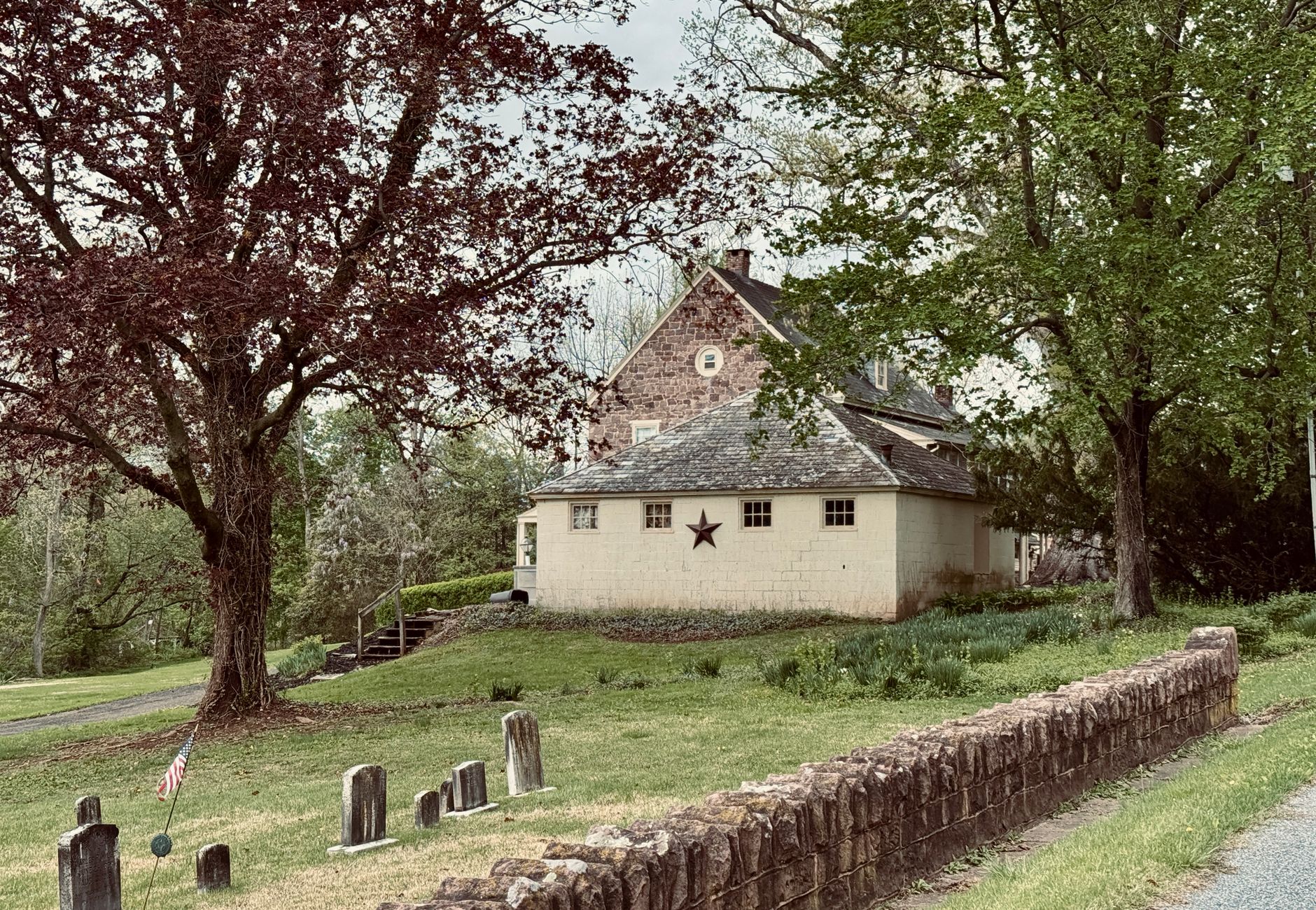 Photo by Clinton Weaver on Pexels.
Founded in the early 1800s by Welsh immigrants, Ebensburg sits at an elevation just above 2,000 feet in the Allegheny highlands, which already sets it apart from most of its neighbors in western Pennsylvania. The town was named after Ebensburgh in Wales, and that origin story matters: the Welsh settlers who arrived here weren't just passing through. They planted churches, built schools, and shaped the civic character of a place that would eventually become the seat of Cambria County.
Speaking of which: the Cambria County Courthouse is the architectural anchor of the town center. Its presence on Center Street gives Ebensburg the feel of a place with genuine civic purpose. Courthouses like this one weren't just buildings. They were the center of social, legal, and political life for entire regions, and this one still functions exactly that way. If you're the type of traveler who reads historical markers and lingers on courthouse steps, you'll feel right at home.
Wander the streets near the courthouse and you'll notice the age of the housing stock. Greek Revival facades, Federal-style proportions, brick sidewalks that have been repaired so many times they've become a kind of layered timeline. None of this was put here for tourists. It's just what happens when a town builds carefully over two centuries and mostly resists the urge to tear things down.
What draws history-minded visitors to Ebensburg often starts with one thread and keeps unraveling. You come for the courthouse square and you end up reading about the Civil War regiments mustered from Cambria County. You read about those regiments and you find yourself thinking about the coal and iron industries that powered the county through the late 1800s. That industrial history connects directly to the Ghost Town Trail, the rail-trail that passes through former mining communities a short drive from town. The threads keep connecting.
Cambria County's coal heritage is woven into the physical terrain here in ways that aren't always obvious. The land dips and rises with old slag piles now softened by decades of growth. Place names like Nanty Glo and Patton carry the weight of working-class industrial history. Ebensburg itself, sitting above all of it as the county seat, served as the administrative and legal center while those communities boomed, contracted, and in some cases disappeared entirely.
For visitors who want structured context before exploring, a stop at local historical society resources in the area can help fill in the gaps. The Cambria County Historical Society has worked for years to preserve records, photographs, and artifacts from the county's past. Checking their resources before or during your visit gives you a framework that makes the landscape itself more readable.
There's also something to be said for simply walking. Ebensburg's downtown is compact enough to cover on foot in an afternoon, and the density of historical detail per block is genuinely high. Look up at second-story facades. Read the dates on cornerstones. Notice which buildings have been adapted and which have been preserved closer to their original state. This kind of slow, observational walking is exactly what the town rewards.
History tourism doesn't require a formal itinerary. Some of the best moments come from stopping because something caught your eye: a date carved in stone, a building that seems slightly out of place, a side street that opens onto a view you didn't expect. Ebensburg has all of those.
Come in the summer when the light is long and the pace slows down. Come in October when the maples along the side streets turn and the whole town looks like it belongs in a painting you've seen before but can't quite place. Either way, give yourself more time than you think you need. History towns like this don't give up their best details quickly.
Get Visit Ebensburg in your inbox
New posts delivered directly. No spam.
No spam. Unsubscribe anytime.