Where the Ridgelines Go Quiet: Backpacking Overnight Near Ebensburg
 H. Olmsted
Most people drive through the Alleghenies. They pull off at a scenic overlook, take a photo, and move on. Spend a night out here, though, and you get something entirely different: the ridgeline going pink at 6 a.m., the sound of a creek you heard for two hours before you finally found it, the specific silence of a forest after everyone else has gone home.
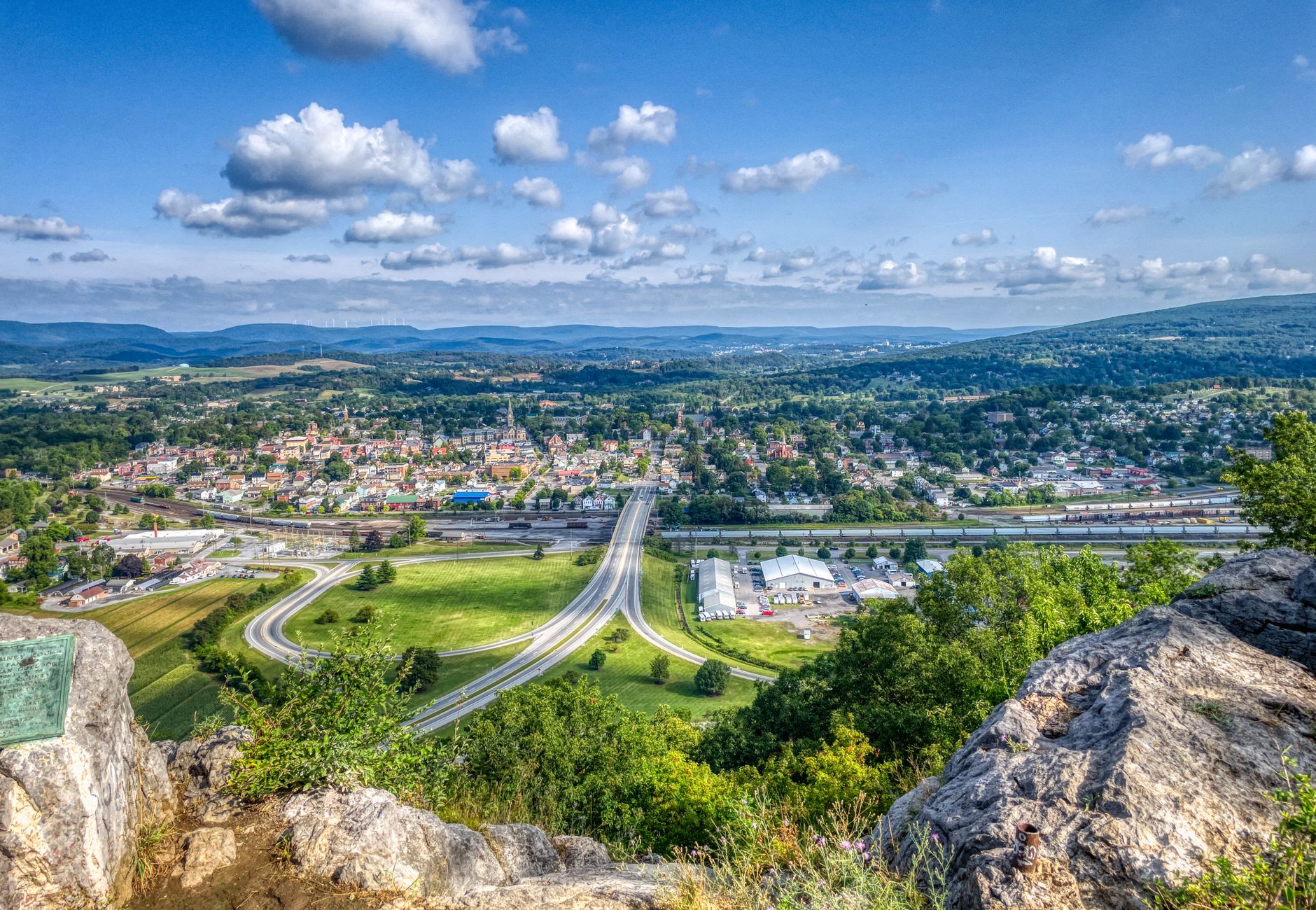 Photo by Jessica Lewis 🦋 thepaintedsquare on Pexels.
Ebensburg sits at roughly 2,100 feet in the Allegheny Highlands, surrounded by state forest land and a road network that leads, eventually, into some genuinely wild country. For hikers ready to move past day trips, this is excellent terrain for a first or second overnight trip.
Why the Alleghenies Reward Overnight Trips
St. Croix, the Cascades, the Adirondacks: those places draw crowds. The Pennsylvania Highlands do not. That's the point. You're unlikely to share a ridgeline camp with another party on a weekday in September, and even on a busy fall weekend the backcountry stays quiet. The forests here are second-growth hardwood: oak, maple, black cherry, with hemlock tucked into the hollows. Moderate elevation means temperatures stay reasonable, even in summer, once you're up on the spine of a ridge.
The terrain rewards preparation rather than peak fitness. Climbs are steady rather than brutal. Water sources, while not abundant everywhere, are reliable in most seasons if you plan around them.
Forbes State Forest: Your Closest Base
Forbes State Forest is the primary public land resource for backpackers near Ebensburg. The forest covers more than 51,000 acres across Cambria, Somerset, Westmoreland, and Fayette counties. Much of the western portion lies within an hour of town.
Backpacking within Forbes State Forest is generally allowed on dispersed sites: no reservation required, no permit needed for most of the forest. The Pennsylvania Bureau of Forestry asks that you camp at least 200 feet from water sources, trails, and roads, and practice leave-no-trace principles. Check the DCNR website for any seasonal or area-specific closures before you go.
The Laurel Highlands Hiking Trail passes through Forbes State Forest. It runs 70 miles from Ohiopyle State Park northeast toward Seward, with a connector to the Standing Stone Trail. Shelters are spaced roughly eight miles apart along the route, which makes trip planning straightforward. For a first overnight from Ebensburg, targeting a single shelter-to-shelter segment keeps the logistics manageable and gives you a built-in bailout option if conditions change.
Planning a Simple Two-Day Loop
A solid approach for a first overnight near Ebensburg: drive to a trailhead in Forbes State Forest, hike in four to seven miles to a camp spot or shelter, sleep, and hike out the next morning by a different route if one exists.
Here's how a basic trip flows:
graph TD
    A[Trailhead Parking] --> B(First day hike: 4-7 miles)
    B --> C{Camp or Shelter}
    C --> D(Morning: pack up, filter water)
    D --> E[Return route or loop out]
    E --> F[Trailhead]
Keep your pack under 30 pounds for a one-night trip if you can manage it. A three-season tent or a shelter system, a sleeping bag rated to 30°F or below for September nights in the Highlands, a water filter, and enough food for two days covers the essentials. Nights in September at this elevation drop fast: bring an extra insulating layer you won't regret carrying.
Water and Navigation
The Pennsylvania Highlands have no shortage of small streams, but "plentiful" doesn't mean "always where you need one." Download offline topo maps before you leave town. Gaia GPS and CalTopo both work well for this. Study your water sources in advance and carry enough capacity to go three or four miles between fills. A filter rated for backcountry use is non-negotiable; Giardia is present in Pennsylvania backcountry water sources.
Cell coverage is spotty at best once you're a mile or two off a paved road. A downloaded map and a paper backup is a real strategy, not an overcautious one.
The Right Season
September is, frankly, the best month for this. The bugs of summer are mostly gone. Leaf color starts building toward the end of the month on the higher ridges. Temperatures drop to the upper 30s to mid-40s overnight, cold enough to sleep well, warm enough that a basic three-season setup handles it comfortably. Hunting seasons open in October, so wear blaze orange if you're heading out after mid-month.
Spring trips are viable from mid-April onward, once the mud season breaks. Winter backpacking in the Alleghenies is possible but demands a different level of preparation: snow can linger on ridgelines into April.
Before You Go
Tell someone your plan: trailhead, route, expected return time. Leave your car parked somewhere legal and visible. The Forbes State Forest district office can answer specific questions about current conditions and road access. That call takes five minutes and can save you a two-hour drive to a gated forest road.
The Alleghenies don't ask much of you. A night out here gives back something harder to name: the particular satisfaction of earning a view, eating a camp meal you packed yourself, watching the ridgeline catch the last light while the valley below goes dark.
Get Visit Ebensburg in your inbox
New posts delivered directly. No spam.
No spam. Unsubscribe anytime.